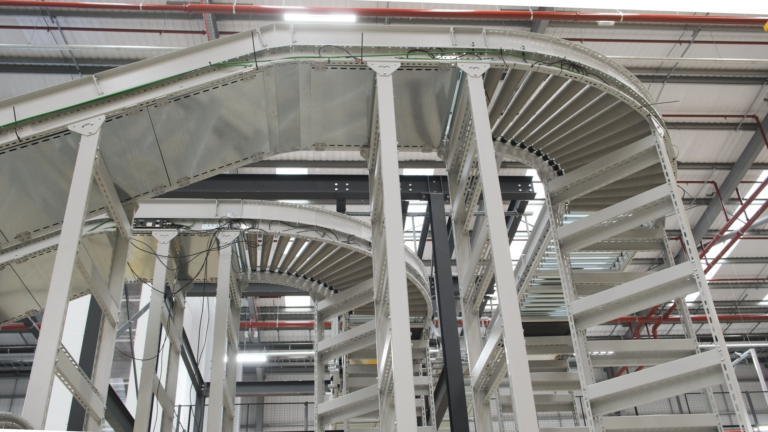
Milestone Projects partnered with technology services company CDW to automate their distribution centre, aiming to reduce over reliance on manual labour, improve order accuracy, and increase material throughput.
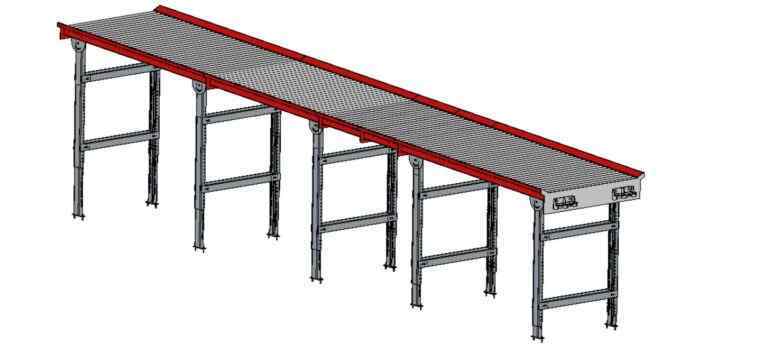
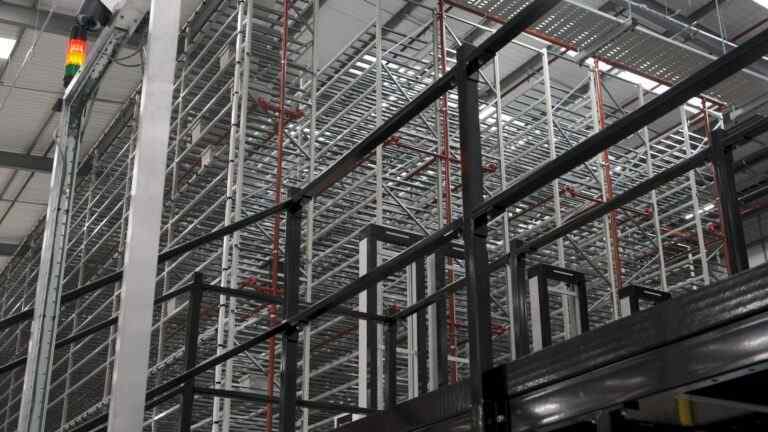
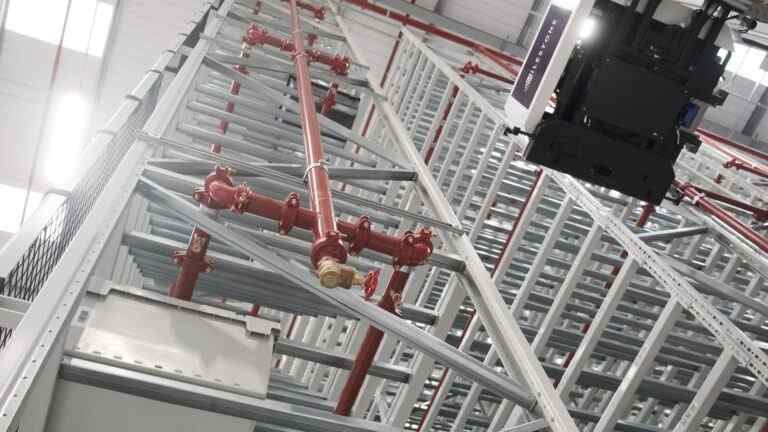
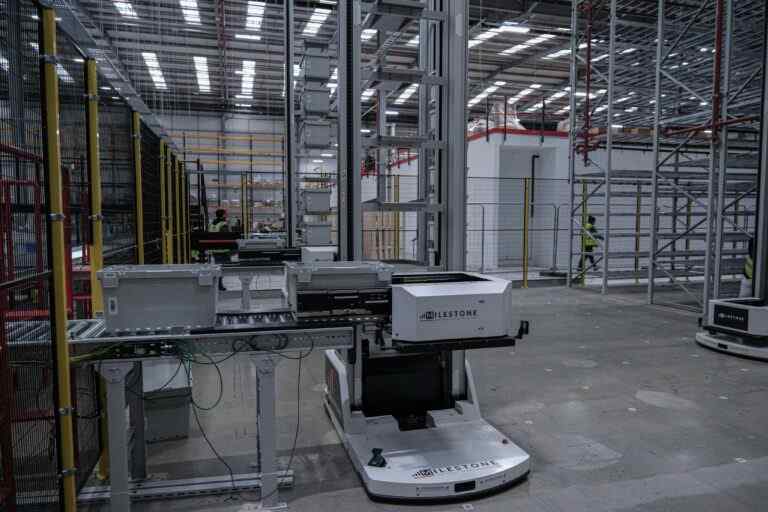
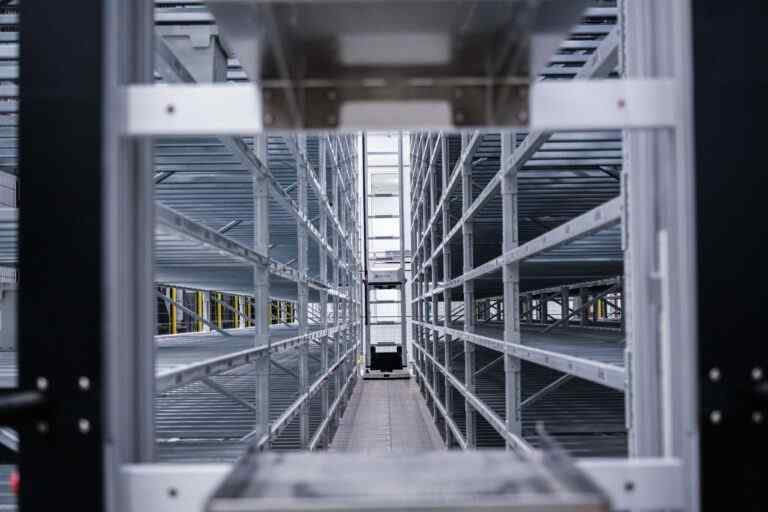
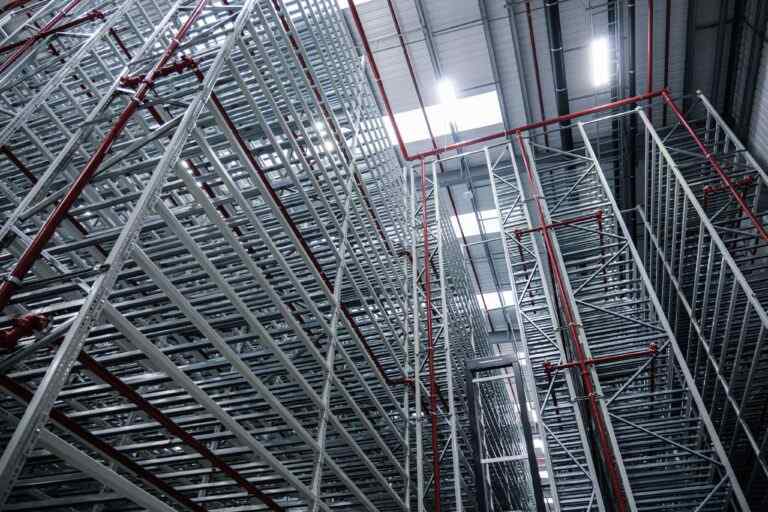
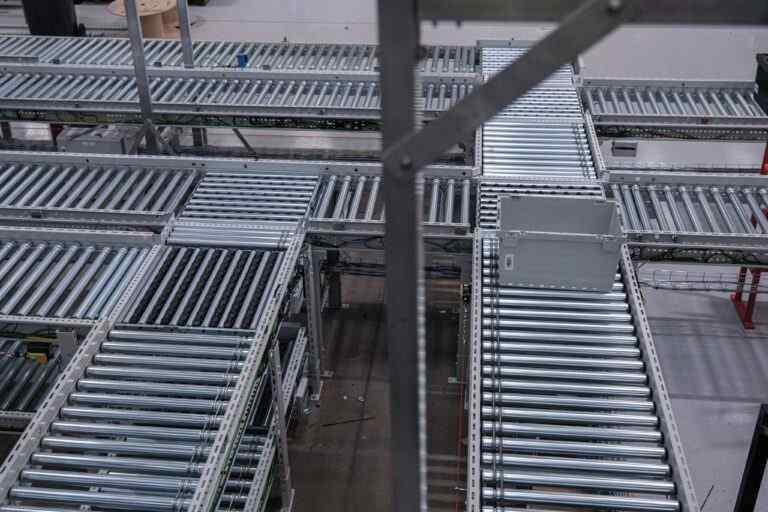
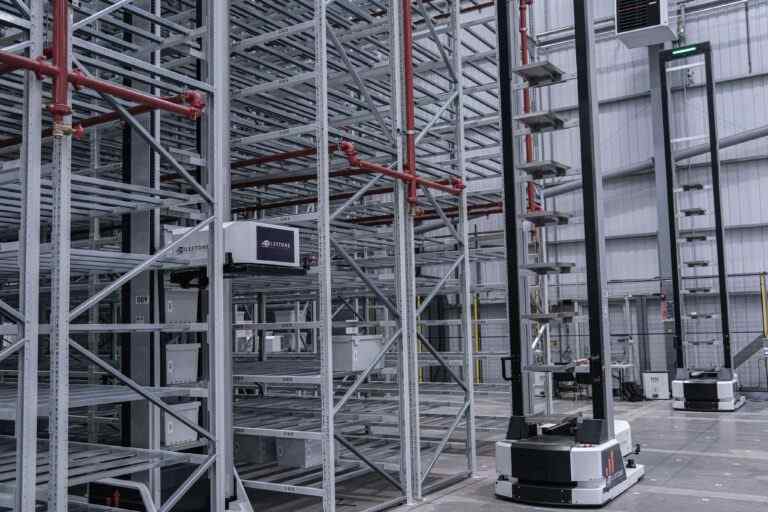
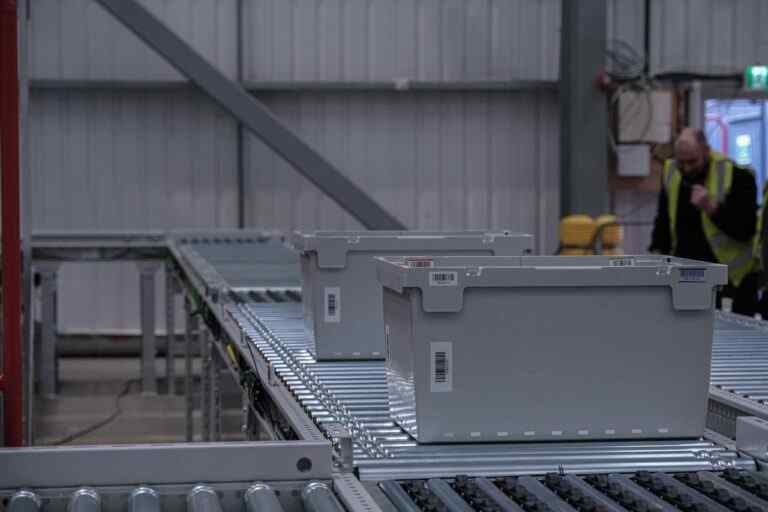
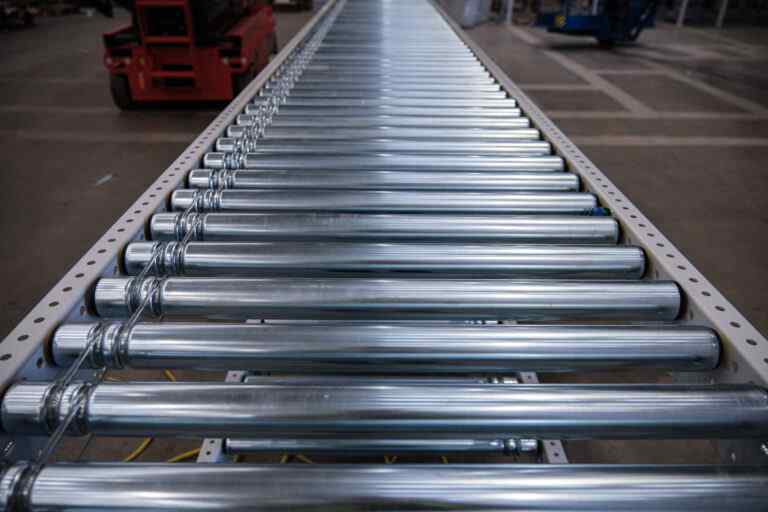
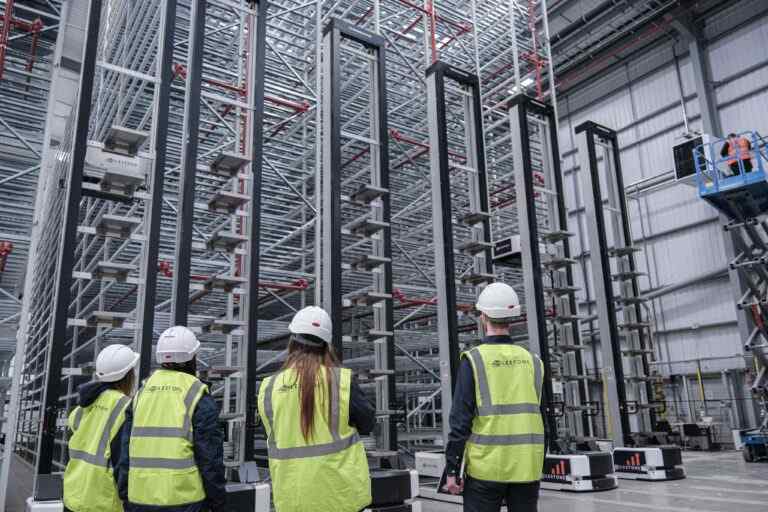
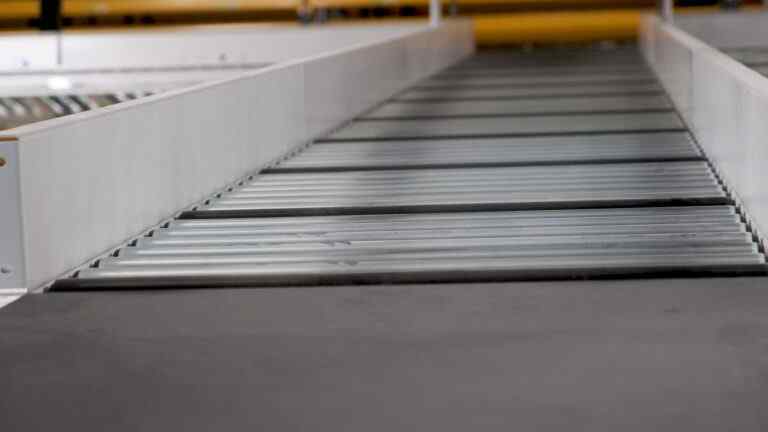
The solution involved implementing an Automated Storage and Retrieval System (ASRS), modular conveyor systems, manual workstations, and other key technologies as well as offering expert consultancy at every stage.
This client utilised our consultancy and design services in the first instance to scope and validate the work using simulations, data analysis, and our business case services before engaging with Milestone to complete the detailed design, fit-out, and testing.
This allowed us to pre-validate much of the functional design using our models, accelerating the project in such a way that some areas were handed over to the client over 4 weeks early.
With this fully holistic approach and our deep understanding of the client’s strategic goals and processes, we were able to improve throughput to around 200% and increase the storage locations by around 20% compared to the original contract requirements.
IMPROVED THROUGHPUT
We were able to improve throughput to around 200%
INCREASED STOCKHOLDING
Stockholding capacity increased by 250%
INCREASED STORAGE
Increased the storage locations by 20% compared to the original requirements
INTRODUCTION
CDW UK, a leading technology company, faced challenges with growing throughput demand due to an increasing customer base.
Their existing warehouse was dealing with manual processing errors and inefficiencies, including high order volumes, avoidable costs, and suboptimal storage utilisation, partly due to the limited space in their current warehouse.
As a result, CDW came to Milestone Projects looking for a scalable, automated solution to improve both order accuracy and speed while preparing for future growth.
PROBLEM STATEMENT
As part of our Strategy process, we worked closely with the client to understand precisely what their challenges were and what specific solutions could help them achieve their productivity targets.
The client outlined the following bottlenecks in their operation:
THROUGHPUT
Growing throughput demand as a result of an expanding customer base.
SORTING
Manual sorting processes leading to high error rates and inefficiencies.
STORAGE
Inefficient storage utilisation and long order processing times, contributing to avoidable costs.
SOLUTION DESIGN
Our in-depth solution included several key automation and storage elements to address CDW’s scalability challenges.
This approach allowed us to select only the best integration solutions to help achieve the bottom-line, data-driven targets.
We delivered a full turnkey solution, including design, installation, commissioning, and automation support, including:
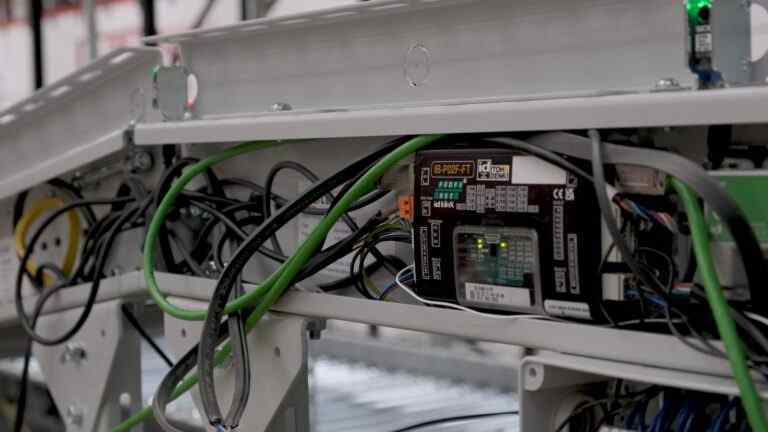
Integration with PLC/SCADA and third-party systems
This was all possible thanks to the thorough validation process we completed upfront using simulations and data analysis. The ability to pre-validate many functional aspects allowed us to expedite the project significantly.
IMPLEMENTATION PROCESS
Methodically working through our implementation process allowed us to deliver the project ahead of schedule, with some areas handed over to the client over 4 weeks early.
Phase 1: Modelling and Simulation
The project began by modelling the entire flow from the de-van area to the shipping zone, creating a visual simulation to test the initial design. Simulation designs played a critical role in simulating the warehouse during the analysis and concepting phase, ensuring the system would meet throughput requirements.
Phase 2: Simulation Testing and Optimisation
The next stage involved inputting real operational data into the model and experimenting with different scenarios to find the most effective solution.
Multiple ideas were tested, including buffer zones and adjustments to the flow to prevent bottlenecks. The simulation helped pinpoint the best approach to avoid issues during peak hours.
Phase 3: Installation, Testing, and Go-Live
We worked closely with our customer in this phase as we needed to adapt to variations and adjustments along the way to ensure that the fit-out could meet their needs.
Close collaboration is key on a project of this size to ensure we can not only meet the changing needs of the client but exceed them.
After finalising the design, the build out phase began. Once the bulk of this was completed, we were able to begin the testing and automation work, ensuring the system was fully functional before going live.
Staff training followed to ensure smooth operations during go-live.
Phase 4: Ongoing Maintenance
Once the first three stages of the project came to completion, our Support Team, led by three Resident Maintenance Technicians and a dedicated customer phoneline, were rolled out on site. This means that throughout the day, we have a dedicated engineer on site at all times to ensure the newly installed systems is running at its optimal and to maintain and repair any issues that may arise.
We also have 24/7 software support to report real-time data, and smart conditioning monitoring which observes all aspects of the system to pinpoint issues before they occur.
Achieving the required throughput became challenging due to a bottleneck in the ASRS, which limited the rate at which totes could be moved in and out.
Space Constraints
The original facility layout was not optimal for the new system, which meant it was decided to move the entire operation to a larger warehouse owned by the client, presenting significant logistical challenges.
Solutions
Bottleneck Mitigation
The simulation revealed the bottleneck in the ASRS system, leading to the addition of additional buffer zones to prevent congestion during peak hours – which greatly exceeded the number of totes originally agreed.
Collaboration and Simulation
Close collaboration between Milestone, our integration partners, and the client allowed for fine-tuning the system to exceed throughput requirements, verifying the solution through thorough simulation testing.
CONTRIBUTIONS FROM KEY PARTNERS
In our unique capacity as both a warehousing consultant and integrator, it’s our responsibility to carefully select the technology and processes that our Realisation team implements.
This requires close collaboration with our clients and careful management of each integration to ensure alignment. On the CDW project, we had the privilege of working with some of the best integrators in their respective fields:
ProLean
ProLean provided the simulation expertise, running various scenarios to optimise the warehouse flow during the analysis and concept phase. Their work helped ensure the final design met throughput goals.
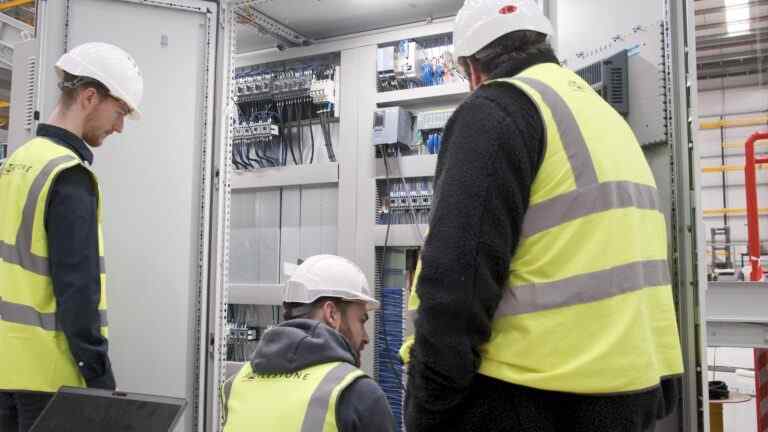
Niscam was responsible for the automation of the conveyor systems through the integration of PLCs, enabling seamless interaction between different system components.
RSR handled all mechanical and electrical works, including the installation of internal walls, electrics, HVAC systems, bathrooms, doors, and other general fit-out tasks.
The system delivered a 250% increase in cartons processed to the shipping area, significantly boosting operational efficiency.
Improved Storage Capacity
The automated system increased storage efficiency, enabling 16,000 tote locations and 64,000 stock locations, optimising space utilisation.
ROI within 12 Months
Throughput and stockholding capacity have increased by 250%, which means CDW will see a return on their automation investment within the next 12 months.
Flexibility and Adaptability
The project required rapid adjustments due to the logistics of relocating to a new warehouse, which led to several design changes to accommodate the move.
Exceeding Client Expectations
Thanks to our end-to-end involvement in the project, we have exceeded throughput expectations by 200% and increased storage by 20% from that which was originally agreed with the client at the start of the project.
KEY LEARNINGS & RECOMMENDATIONS
COMMUNICATION IS KEY
Ensuring that all stakeholders are aligned on numbers, assumptions, and expectations is crucial in collaborative projects like these.
FLEXIBILITY IN DESIGN
Early-stage flexibility helped accommodate unforeseen challenges and changes, particularly as the project progressed from concept to implementation.
SIMULATION AS A TOOL
Using simulations to model scenarios and validate throughput allowed the team to refine the system before implementation, saving time and reducing the risk of bottlenecks.
CLOSE COLLABORATION
Working together with key partners and the client was integral to overcoming challenges and ensuring the system met the required objectives.
CONCLUSION
In conclusion, Milestone Projects, in collaboration with CDW, successfully transformed their distribution centre by implementing a suite of automated technologies, including an ASRS and modular conveyor systems.
The upgrades led to significant improvements in throughput, order accuracy, and storage efficiency.
The project not only met but exceeded initial goals, increasing cartons processed and optimising space utilisation. Close collaboration, simulation-based design, and flexibility were key factors in overcoming challenges such as throughput limitations and space constraints.
This successful partnership is expected to deliver a return on investment within 12 months, setting the stage for CDW’s future growth.
If you’re looking for an automation solution for your warehouse, or you’re just looking for ways to improve efficiency in your material handling operations, you can see more of our case studies here, or you can get in touch with us with any questions about this project or our services.